Zakat, sadaqa, waqf: three words often heard together, to the point of being confused. Yet each refers to a different reality, with its own rules and uses. Understanding the difference helps you decide where to place your money in a useful and consistent way. Let us take stock.
Zakat: a precise duty
Zakat is an annual obligation that concerns people whose assets exceed a certain threshold. It is calculated according to defined rules and is intended for specific categories of beneficiaries. It is not a free gift: it is a due levy, with a framework to respect. Before assigning it to a project, you must therefore check that the project fits the authorized uses of zakat.
Sadaqa: a voluntary gift
Sadaqa is a free offering, with no imposed amount or schedule. You give it whenever you want, at the level you wish. It can take a thousand forms, from a small daily gesture to a large gift. Its flexibility makes it the most open framework of the three.
Sadaqa jariya, a sadaqa that lasts
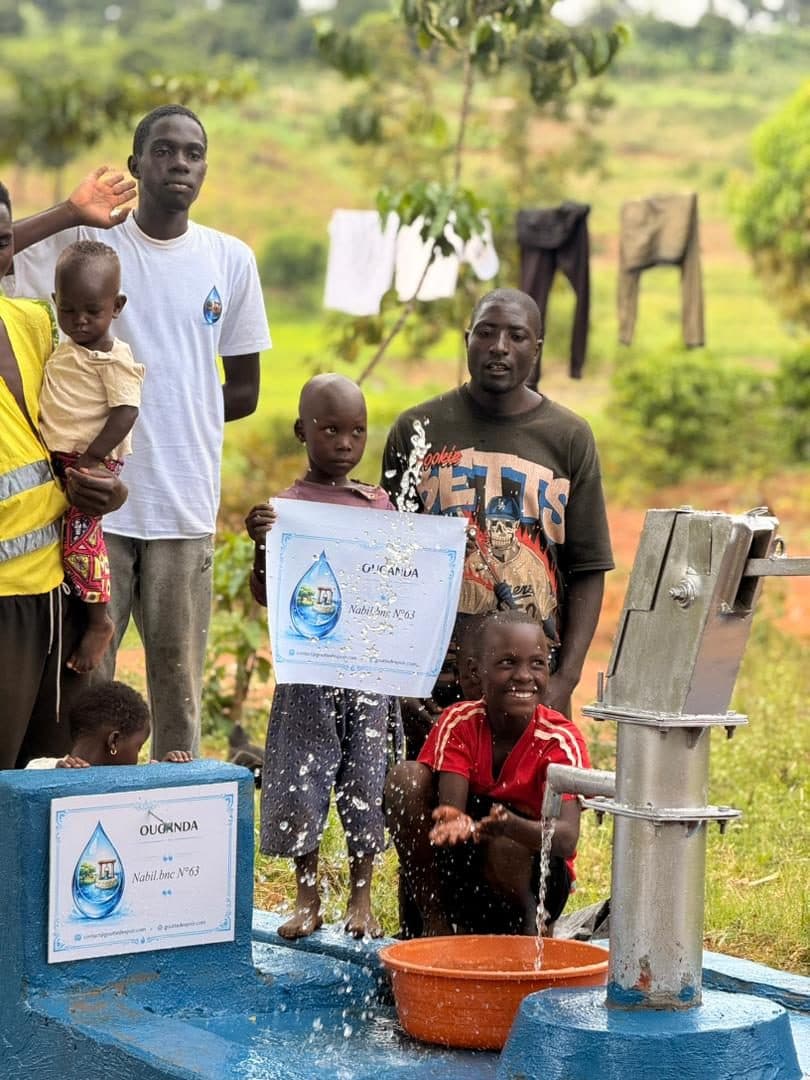
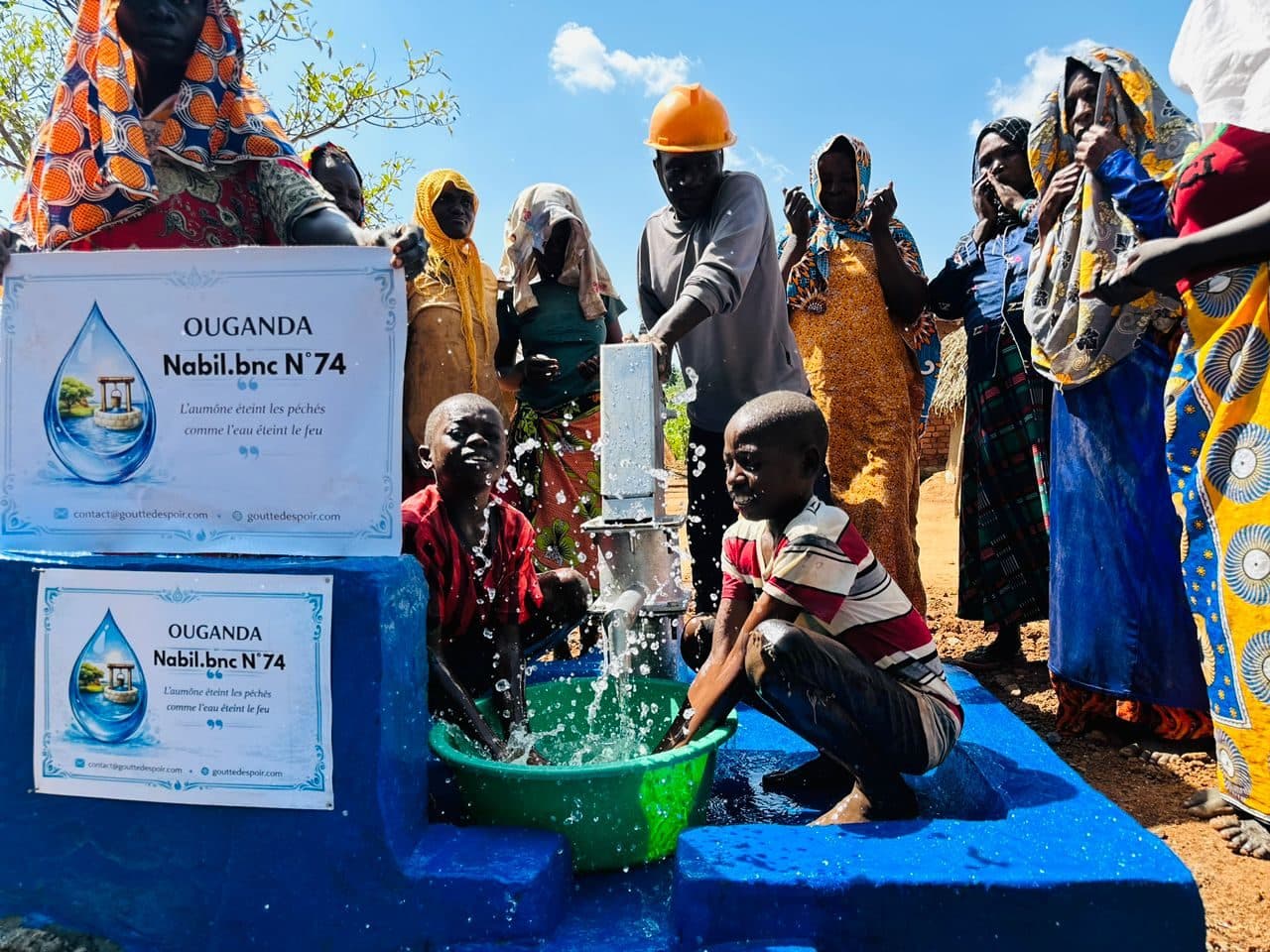
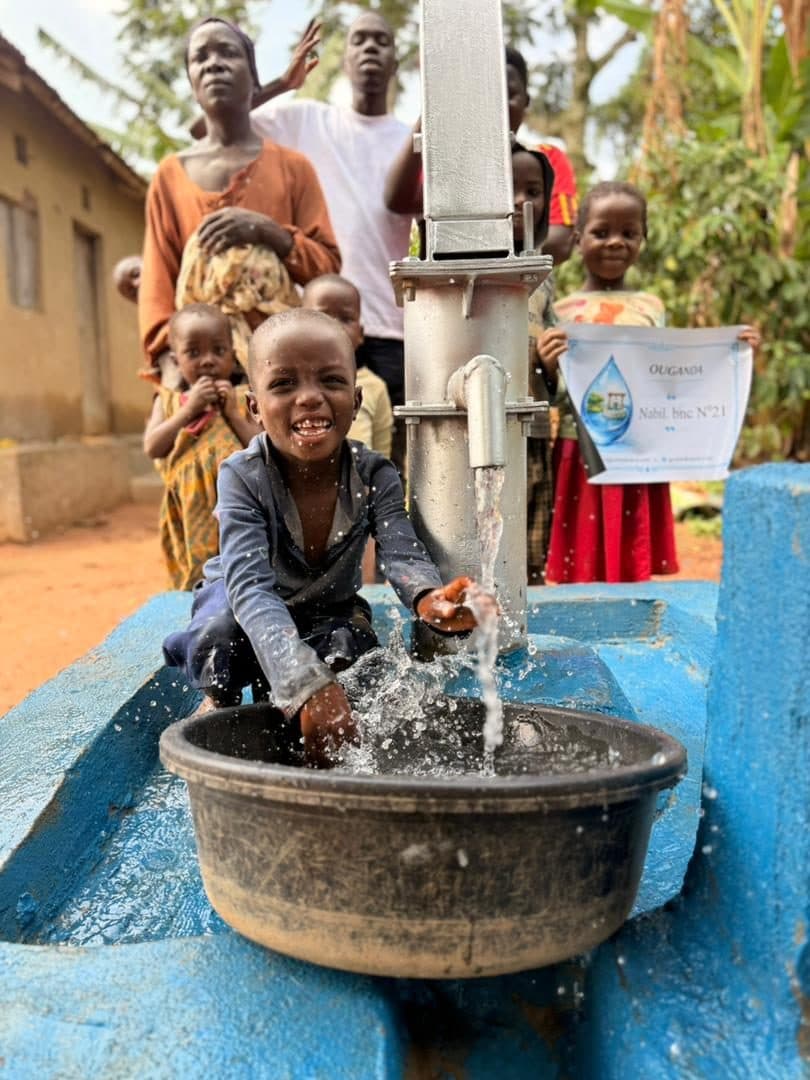
Within voluntary gifts, sadaqa jariya refers to those whose benefit extends over time. A drinking-water well is the classic example: once built, it serves every day, for years. It is a sadaqa whose effect does not fade after the payment.
Waqf: an asset set aside for the common good
Waqf consists of setting aside an asset so that its fruits serve a cause over the long term. The idea is to preserve the source and let the community benefit from it lastingly. It is a logic of assets placed at the service of the common good, more structured than a simple gift.
Where to place your money according to your goal
- You need to fulfill an annual obligation: this is zakat, to be assigned according to its rules.
- You want to make a free gesture, one-off or regular: this is sadaqa.
- You are looking for a benefit that lasts over time: turn to a sadaqa jariya, such as a well.
The well, a concrete and verifiable choice
What sets the well apart is its clarity. You know what is built: village scouting, permits, drilling, concrete slab and channels, installation of the hand pump, commissioning, then photo and video documentation. A well serves around 40 people daily, up to 400 beneficiaries depending on needs. You see the result, and you can even attach a name to it on a plaque, or remain anonymous.
If your goal is a benefit that lasts, the well is an option that is simple to understand and to follow. You choose a country, you order the construction, and you receive proof of the site once it is completed.
Fund a well in the name of your choice
From €350 in Uganda, delivered with the photos and videos of the site. Stated timeframe: 3 to 5 weeks.