A well is not dug at random. Before any drilling, you must identify a spot where water is present in sufficient quantity and reachable. This survey stage determines whether the structure succeeds. Here is how it unfolds, explained simply.
What the water table is
The water table is the water held in the ground, at a depth that varies from one region to another. In some areas it lies fairly close to the surface; in others you have to go much deeper. That is why no two drilling jobs are ever exactly alike.
We do not give general depth figures, because they depend entirely on the terrain. What stays constant is the method: observe, survey, verify, then drill only when the signs agree.
The survey on the ground
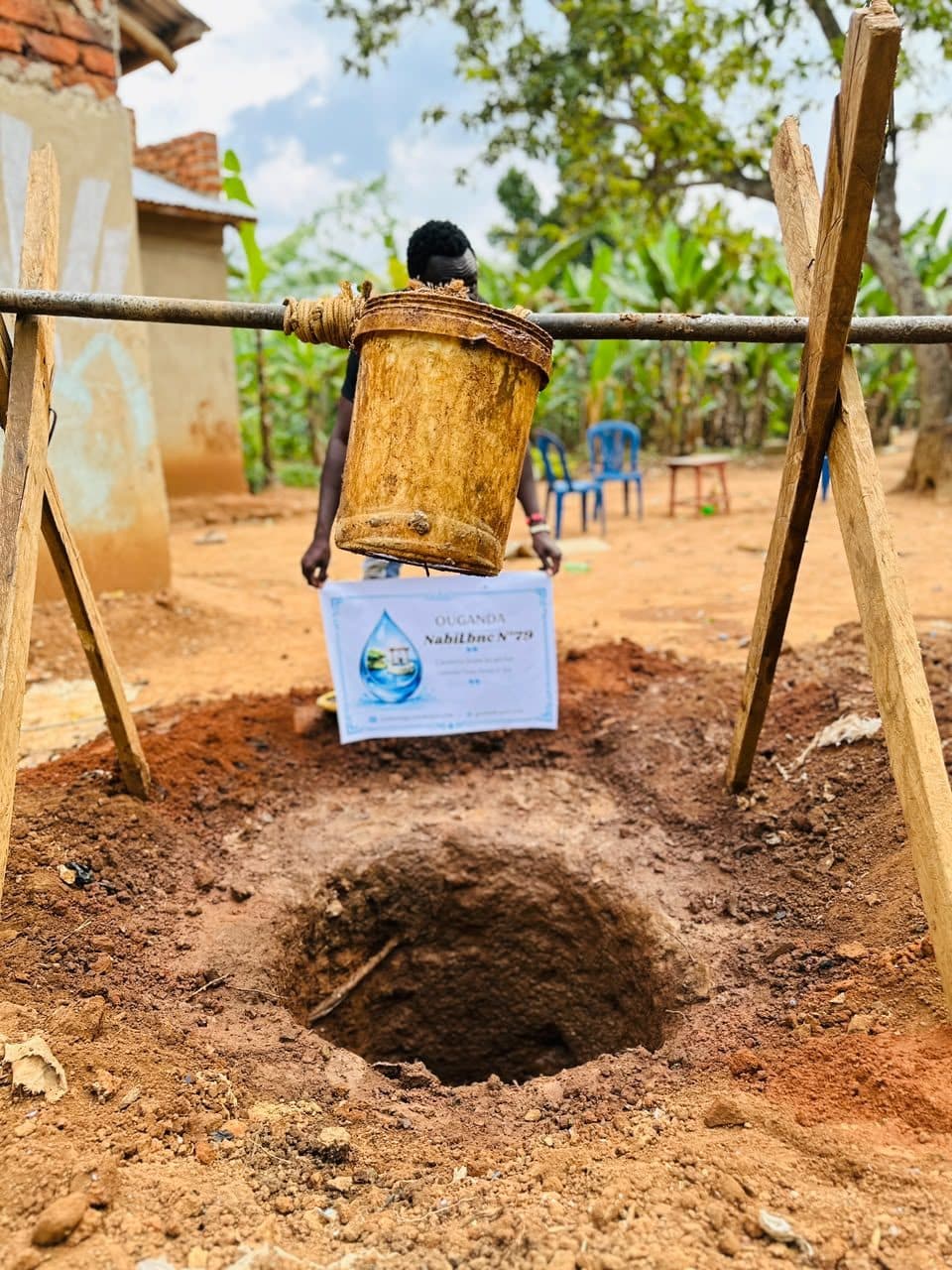
The survey combines local knowledge and observation of the site. We study the topography, the presence of other water points nearby, the nature of the soil and the feedback of residents who know their environment better than anyone. This phase avoids drilling where water would be absent or too hard to reach.
- Observation of the terrain and the vegetation
- Consideration of existing water points nearby
- Discussions with the community about uses and needs
- Choice of a location that is accessible and useful to the greatest number
From survey to finished structure
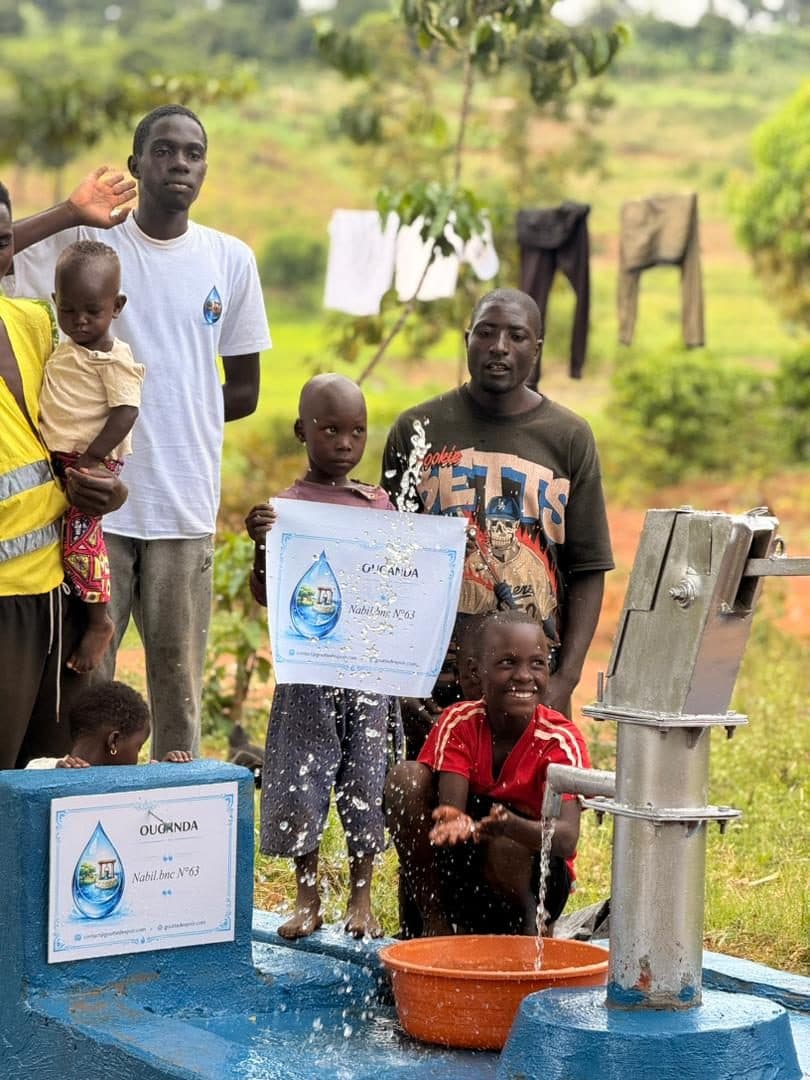
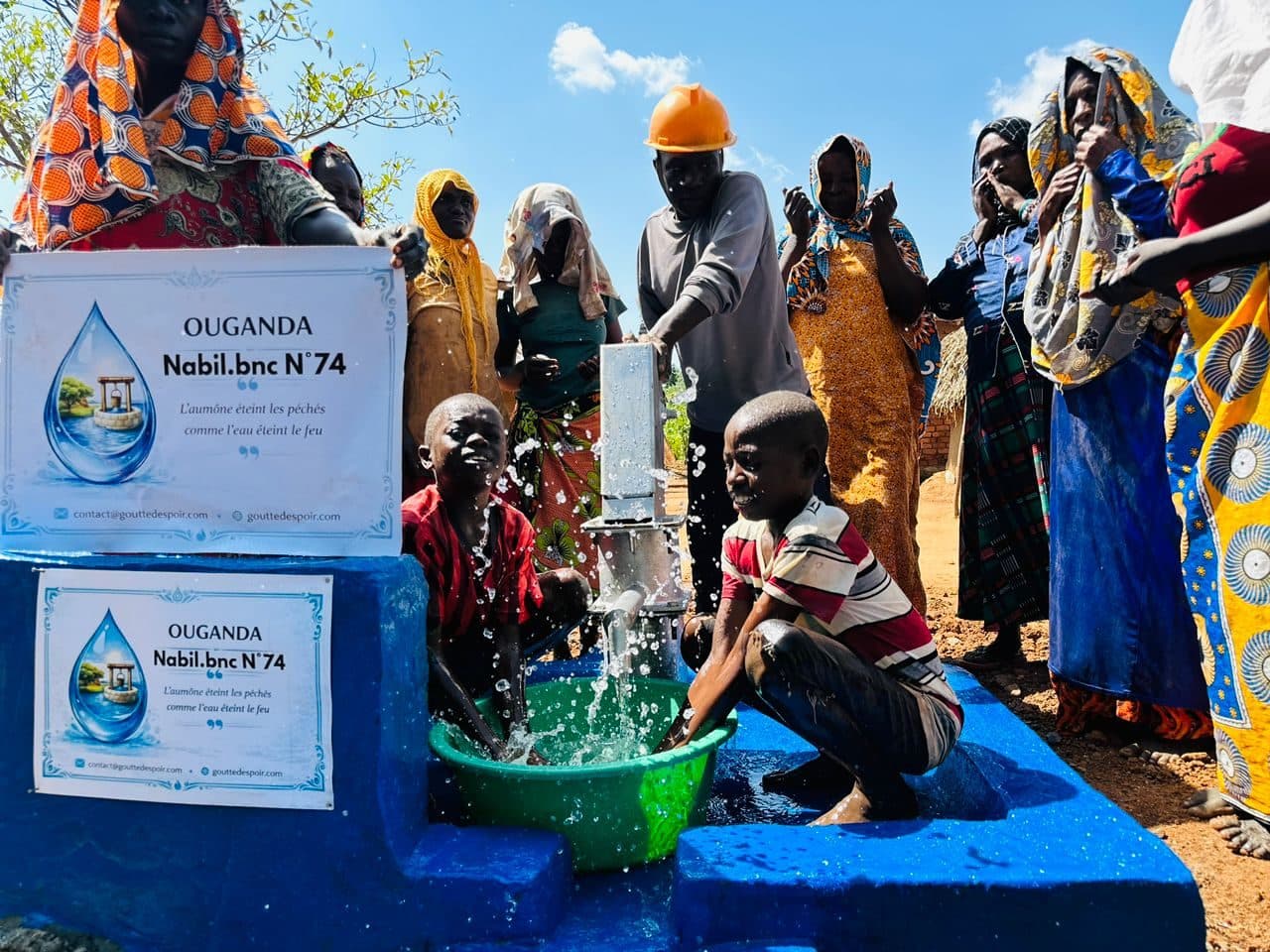
Once the location is confirmed and the permits obtained, drilling can begin. Then come the slab, the drainage channels, then the installation of a hand pump and commissioning. Each step is documented with photos and videos, which lets you follow the transformation of the site.
The price of a well covers this whole chain: survey, permits, drilling, slab and channels, hand pump, commissioning and documentation. In Uganda, where we build the most, a well costs 360 € and is delivered in 3 to 5 weeks. Elsewhere, timelines can reach 4 to 6 months, in Cambodia, Niger or Togo for example.
Understanding the survey helps measure the work behind each structure. If you want to fund a well, choose a country and follow the construction, from the first survey through to commissioning, with the proof to back it up.
Fund a well in the name of your choice
From €360 in Uganda, delivered with the photos and videos of the site. Stated timeframe: 3 to 5 weeks.